
Effective Neck Pain Treatment in Scottsdale: Comprehensive Chiropractic Care for Lasting Relief
Neck pain affects a large portion of the population and may result from postural strain, traumatic injury, or underlying pathology. This article reviews non‑surgical neck pain treatment options available in Scottsdale, emphasising chiropractic care as a holistic management strategy. It outlines common causes and clinical features of cervical pain, reviews relevant cervical spine anatomy, and explains how chiropractic interventions and rehabilitation support recovery. Patient testimonials are included to illustrate clinical outcomes and assist readers in making informed decisions about care.
What Are the Common Causes and Symptoms of Neck Pain?
Neck pain has multiple etiologies that contribute to pain and impaired mobility. Common causes include:
- Poor Posture: Prolonged periods of sitting or standing with improper alignment can strain neck muscles.
- Injuries: Whiplash from car accidents or sports injuries can lead to acute neck pain.
- Degenerative Conditions: Conditions such as arthritis or herniated discs can cause chronic pain.
Typical symptoms include stiffness, localized pain, and reduced cervical range of motion. Early recognition facilitates timely assessment and targeted treatment.
How Does Cervical Spine Anatomy Influence Neck Pain?
The cervical spine comprises seven vertebrae that support the head and protect the spinal cord. Understanding this anatomy is essential for identifying pain generators. Postural derangement may produce segmental malalignment and neural compression. Herniated intervertebral discs can also impinge spinal nerve roots and increase nociceptive input. A focused chiropractic evaluation identifies these issues and informs an appropriate treatment plan.
Which Symptoms Indicate the Need for Chiropractic Evaluation?
Specific clinical features should prompt chiropractic evaluation. These include:
- Persistent Pain: Ongoing neck pain that does not improve with rest.
- Frequent Headaches: Recurrent headaches that may be linked to neck tension.
- Limited Mobility: Difficulty turning the head or performing daily activities.
Presence of these signs warrants professional assessment to initiate appropriate treatment and improve outcomes.
How Does Chiropractic Care Provide Effective Neck Pain Relief?
Chiropractic management provides a systematic approach to cervical pain through diagnostic assessment and targeted interventions. Spinal adjustments aim to restore vertebral alignment, reduce neural irritation, and support tissue healing. This patient‑centred model addresses both symptom control and underlying biomechanical contributors, optimising musculoskeletal function and reducing risk of recurrence.
Evidence‑based guidelines describe specific chiropractic modalities for the management of neck pain.
Chiropractic Guidelines for Neck Pain Treatment
Chiropractic treatment for neck or cervical pain includes spinal manipulation, mobilization, and device‑assisted spinal techniques. This guideline outlines the techniques and procedures applicable to clinical practice.
Evidence-based guidelines for the chiropractic treatment of adults with neck pain, M Descarreaux, 2014
Aligned Integrated Health, a Scottsdale‑based chiropractic practice, specializes in non‑invasive neck pain care, including spinal adjustments and rehabilitative therapies. The clinic provides individualized treatment plans tailored to each patient’s clinical presentation.
What Chiropractic Techniques Are Used for Neck Pain Treatment?
Chiropractors employ several evidence‑informed techniques to address cervical pain. Common methods include:
- Cervical Mobilization: Gentle movements to improve range of motion and reduce stiffness.
- Spinal Adjustments: Targeted adjustments to realign the cervical spine and alleviate pressure on nerves.
- Patient Education: Guidance on posture and ergonomics to prevent future pain.
Combined, these interventions provide symptomatic relief and support longer‑term musculoskeletal health.
How Does Pro-Adjuster Therapy Enhance Precision in Spinal Adjustments?
Pro‑Adjuster therapy is an instrument‑assisted technique that enhances the precision of spinal adjustments. The device delivers controlled, low‑force impulses to limit soft‑tissue trauma while improving segmental alignment. For patients who prefer a gentler, less manual approach, Pro‑Adjuster offers a precise non‑invasive option within standard chiropractic care.
Clinical literature on instrument‑assisted devices reports outcomes comparable to manual high‑velocity techniques for certain spinal pain conditions.
Activator Instrument Effectiveness for Spinal Pain
Overall, the Activator Adjusting Instrument provided comparable clinically meaningful benefits to patients when compared with high‑velocity, low‑amplitude (HVLA) manual manipulation or trigger point therapy for acute and chronic spinal pain, temporomandibular joint dysfunction, and trapezius trigger points.
Clinical effectiveness of the activator adjusting instrument in the management of musculoskeletal disorders: a systematic review of the literature, 2012
What Role Does Rehabilitation Play in Neck Pain Therapy?
Rehabilitation is an integral component of cervical pain management and complements spinal adjustments. Structured exercise programmes restore range of motion, strengthen cervical and scapular musculature, and improve overall function. When combined with adjustments, rehabilitation supports long‑term improvement and helps prevent future injury by enhancing muscular support and flexibility.
Which Rehabilitation Exercises Improve Neck Mobility and Strength?
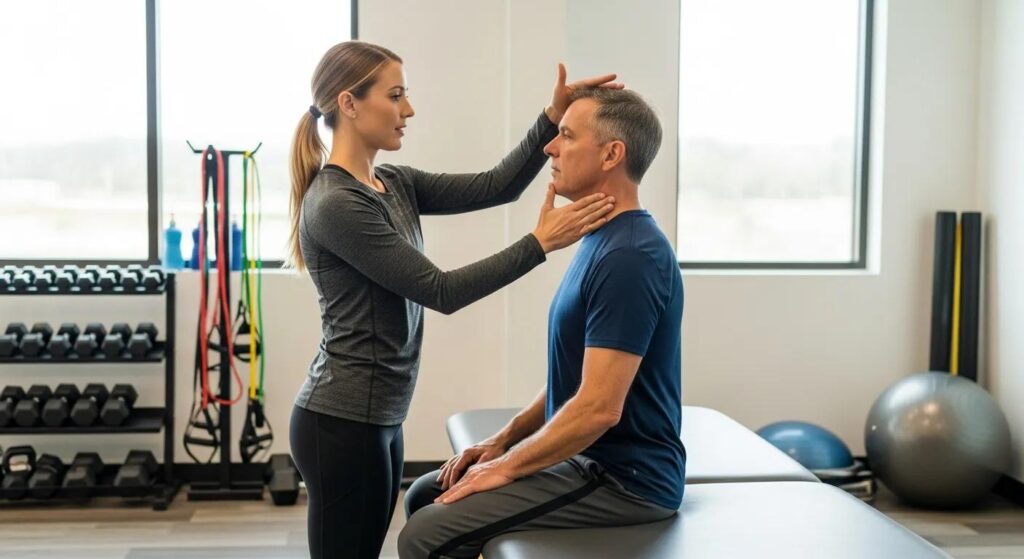
Targeted rehabilitation exercises can improve cervical mobility and muscular strength. Effective interventions include:
- Neck Stretches: Gentle stretches to improve flexibility and reduce tension.
- Strengthening Exercises: Targeted movements to build neck and shoulder strength.
- Postural Training: Exercises that promote proper alignment and reduce strain.
Exercise selection should be individualized and performed under professional supervision to optimise safety and clinical benefit.
How Does Structural Rehabilitation Support Long-Term Pain Relief?
Structural rehabilitation targets biomechanical contributors to cervical pain through corrective exercises and lifestyle modification. The objective is to preserve alignment improvements achieved with chiropractic care and to reduce the likelihood of recurrence. Emphasis on long‑term strategies promotes sustained functional gains.
Formalized protocols for structural rehabilitation remain limited and continue to evolve within chiropractic practice.
Evidence-Based Protocols for Spinal Rehabilitation
Although practice protocols exist for spinal manipulative therapy and functional rehabilitation, formal practice protocols for structural rehabilitation are lacking. Traditional chiropractic guidelines have largely addressed acute and chronic pain, with limited incorporation of structural rehabilitation procedures.
Evidence-based protocol for structural rehabilitation of the spine and posture: review of clinical biomechanics of posture (CBP®) publications, PA Oakley, 2005
What Do Patient Testimonials and Reviews Reveal About Neck Pain Treatment Success?
Patient testimonials offer clinical perspectives on treatment effectiveness. Many individuals report substantial reductions in pain intensity and improvements in function and quality of life following chiropractic care. Success narratives frequently emphasise the personalised nature of care and the tailored interventions that address each patient’s specific presentation.
How Have Patients Benefited from Chiropractic Neck Pain Care in Scottsdale?
Patients in Scottsdale have reported several measurable benefits from chiropractic neck pain care, including:
- Pain Relief: Many report a substantial reduction in neck pain after treatment.
- Improved Mobility: Enhanced range of motion allows for better daily functioning.
- Posture Improvement: Chiropractic care often leads to better posture and alignment.
These outcomes reflect the clinical benefits achievable with non‑surgical chiropractic interventions for neck pain.
What Are Common Patient Outcomes and Satisfaction Ratings?
Post‑treatment outcomes frequently include high patient satisfaction and improved functional status. Patients commonly cite personalised care and tailored treatment protocols as key contributors to positive results, reinforcing the role of targeted chiropractic management in cervical pain.
What Are the Options and Costs for Non-Surgical Neck Pain Treatment in Scottsdale?
Scottsdale offers multiple non‑surgical options for cervical pain, including spinal adjustments, Pro‑Adjuster therapy, and rehabilitative services. Costs vary according to the specific services and the individual treatment plan; patients should consult providers regarding fees and insurance coverage.
How Affordable Are Chiropractic Services for Neck Pain Relief?
Chiropractic care can be cost‑effective. Many clinics offer flexible payment plans and accept insurance, which improves access to treatment. Discussing financial arrangements with a provider helps identify a feasible treatment pathway.
How Can Patients Schedule Consultations and Appointments?
To schedule a consultation, patients may contact Aligned Integrated Health directly at (480) 661-1977 to describe symptoms and arrange an appointment. Many clinics also provide online appointment requests, and insurance or coverage questions can be addressed during scheduling to facilitate care access.