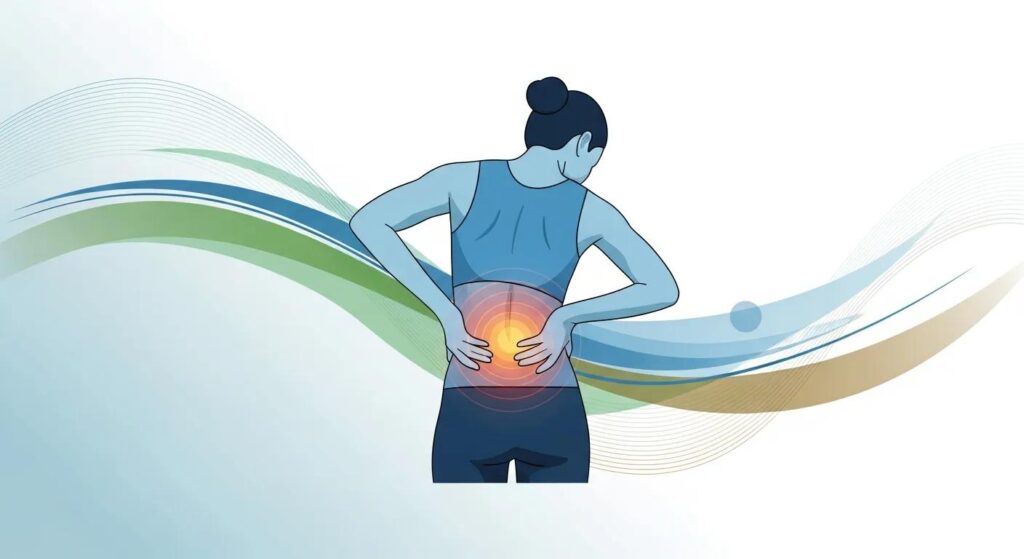
Lower Back Pain Relief in Scottsdale: How Integrated Chiropractic Care Provides Effective Treatment and Wellness
Lower back pain is a common source of functional limitation and reduced quality of life. This article explains how an integrated chiropractic model can deliver effective symptom relief and support long-term wellness for Scottsdale residents. It outlines common causes, the physiological mechanisms by which chiropractic care reduces pain, the role of adjunctive technologies and therapies, and the specific services offered by Aligned Integrated Health. The objective is to equip readers with evidence-based information to make informed care decisions.
What Causes Lower Back Pain and How Can Chiropractic Care Address It?
Lower back pain originates from diverse sources, including muscle strain, intervertebral disc herniation, and degenerative spinal changes. These conditions frequently produce local inflammation, neural compression, and impaired range of motion. Chiropractic management utilises non‑invasive spinal interventions that prioritise alignment and functional restoration. Targeted spinal adjustments can reduce neural impingement, decrease inflammatory response, and restore biomechanics to improve pain and mobility.
Chiropractic adjustments address underlying biomechanical dysfunction rather than solely suppressing symptoms. This corrective focus delivers both immediate analgesic effects and longer‑term functional gains through improved spinal mechanics and joint mobility.
Understanding the Medical Condition of Lower Back Pain and Its Impact on Patients
Lower back pain is a leading cause of disability globally and imposes substantial personal and societal burden. It can limit activities of daily living, reduce work productivity, and contribute to psychological distress such as anxiety and depression. Recognising the prevalence and multifactorial impact of low back pain is essential when evaluating treatment options.
Epidemiological data indicate that roughly 80% of adults will experience an episode of lower back pain during their lifetime. This high incidence reinforces the need for accessible, effective interventions—such as chiropractic care—that aim to restore function and quality of life.
Because presentations vary widely, the literature supports multidisciplinary and integrative treatment models, acknowledging that no single modality is optimal for all patients.
Multidisciplinary Integrative Care for Chronic Low Back Pain
Low back pain (LBP) is a prevalent and costly condition in the United States. Evidence suggests there is no one treatment which is best for all patients, but instead several viable treatment options. Additionally, multidisciplinary management of LBP may be more effective than monodisciplinary care. An integrative model that includes both complementary and alternative medicine (CAM) and conventional therapies, while also incorporating patient choice, has yet to be tested for chronic LBP.
Individualized chiropractic and integrative care for low back pain: the design of a randomized clinical trial using a mixed-methods approach, RL Evans, 2010
How Chiropractic Adjustments Relieve Pain and Improve Spinal Function
Chiropractic adjustments restore proper joint alignment and biomechanics through controlled, clinically directed forces applied to specific spinal segments. These procedures can decompress neural structures, modulate inflammatory processes, and re-establish joint kinematics. Principal clinical benefits include nerve decompression, reduced inflammation, and improved segmental function.
By correcting spinal dysfunction, chiropractic care supports endogenous healing mechanisms and functional recovery. Many patients report measurable reductions in pain and gains in mobility following a course of conservative care.
How Does Integrated Chiropractic Care Combine Technology and Manual Therapy for Back Pain Relief?
Integrated chiropractic care pairs hands‑on manual therapy with adjunctive technologies to create personalised treatment plans. This combined approach enables clinicians to target structural dysfunction while addressing strength, flexibility, and movement patterns. Typical protocols integrate spinal adjustments, therapeutic exercise, and rehabilitative modalities to optimise recovery and functional restoration.
Research supports the value of integration, demonstrating improvements in both pain control and functional outcomes when chiropractic care is incorporated into comprehensive management plans.
Chiropractic Integration for Pain Management & Functional Improvement
Stakeholders expected the addition of chiropractic to help patients progress toward these goals by improving pain management and physical functioning.Pain managementthemes included pain intensity, medication use, and pain-related behaviors, whilefunctional improvementthemes included muscle tone, extremity function, and balance and mobility. In addition to these direct effects on clinical outcomes, stakeholders also expected indirect effects of chiropractic care onhealthcare integration.
Stakeholder expectations from the integration of chiropractic care into a rehabilitation setting: a qualitative study, ZK Shannon, 2018
The coordinated use of technology and manual interventions treats acute symptoms and addresses factors that influence long‑term recovery. This structured, rehabilitative model encourages patient participation in therapy and supports sustained health improvements.
Role of Pro-Adjuster Technology in Precise Spinal Adjustments
Pro‑Adjuster equipment provides computer‑assisted analysis and low‑force adjustment delivery to enhance precision in spinal care. The device quantifies segmental motion and identifies areas of dysfunction, enabling clinicians to apply targeted adjustments with reduced soft‑tissue disruption. Real‑time feedback supports accurate, reproducible interventions and patient comfort.
The precision of Pro-Adjuster technology ensures that patients receive effective treatment tailored to their specific needs. This innovative approach not only improves the accuracy of adjustments but also enhances the overall effectiveness of chiropractic care.
Benefits of Combining Manual Chiropractic Techniques with Rehabilitation Therapies
Integrating manual chiropractic care with structured rehabilitation yields a comprehensive strategy that addresses both symptom control and functional restoration. The combined approach targets pain, movement dysfunction, and deconditioning to optimise recovery. Key advantages include:
- Comprehensive Recovery: By addressing multiple aspects of pain, patients can achieve more significant improvements in their condition.
- Enhanced Pain Management: The combination of techniques allows for more effective pain relief, reducing the need for medication.
- Holistic Treatment Plans: Tailored treatment plans consider the patient’s unique needs, promoting overall wellness and preventing future issues.
This coordinated model of care supports superior clinical outcomes and improves patients’ functional capacity and quality of life.
| Treatment Approach | Benefits | Impact Level |
|---|---|---|
| Manual Techniques | Immediate pain relief | High |
| Rehabilitation Therapies | Long-term recovery | High |
| Integrated Care | Comprehensive wellness | Very High |
This table demonstrates how complementary modalities combine to improve clinical outcomes, underscoring the value of a holistic strategy for lower back pain.
What Rehabilitation Therapies Support Long-Term Recovery from Lower Back Pain?
Rehabilitation is central to durable recovery and typically includes exercise prescriptions to strengthen core musculature, improve flexibility, and restore functional movement. Common components of a rehabilitation programme include:
- Chiropractic Adjustments: Regular adjustments help maintain spinal alignment and prevent future pain.
- Physical Therapy: Tailored exercise programs focus on strengthening muscles and improving mobility.
- Lifestyle and Nutrition Guidance: Educating patients on healthy habits can support overall wellness and prevent recurrence.
When these therapies are integrated into a coherent plan, patients are more likely to achieve sustained symptom reduction and improved overall health.
Structural Rehabilitation Approaches for Chronic Pain Management
Structural rehabilitation targets the anatomical and biomechanical contributors to chronic pain. Interventions commonly include corrective exercise, traction modalities, and core stabilisation training. These techniques aim to correct dysfunctional movement patterns and reduce pathological load on spinal structures.
Corrective exercise strengthens underactive muscles and improves postural control, spinal traction can reduce compressive forces on neural elements, and core‑stabilisation training enhances dynamic stability. Combined, these approaches form a comprehensive strategy for managing chronic spinal pain.
Holistic Pain Relief Methods and Their Role in Integrated Care
Holistic pain management addresses the physical, emotional, and behavioural dimensions of pain. Interventions may include manual therapy, targeted soft‑tissue techniques, and evidence‑based lifestyle modification. This patient‑centred perspective seeks to reduce symptom burden while improving overall functional capacity.
Embedding holistic methods within an integrated care pathway allows clinicians to treat root causes and equip patients with self‑management strategies. The result is improved clinical outcomes and greater resilience against future episodes of pain.
Why Choose Aligned Integrated Health for Back Pain Relief in Scottsdale?
Aligned Integrated Health provides integrated chiropractic services in Scottsdale that combine manual treatment, rehabilitation, and supportive care. The clinic’s model emphasises individualized assessment and multimodal interventions designed to address both acute symptoms and underlying dysfunction. Key reasons to choose Aligned Integrated Health include:
- Personalized Care: Each treatment plan is tailored to meet the unique needs of the patient.
- Comprehensive Services: The clinic provides a wide array of therapies, including chiropractic adjustments, rehabilitation, and nutritional guidance.
- Patient-Centered Approach: The focus is on empowering patients to take control of their health and wellness.
This commitment to personalised, comprehensive care supports effective symptom resolution and long‑term functional improvement for patients with lower back pain.
Personalized Treatment Plans Tailored to Individual Patient Needs
Personalised treatment planning is central to care at Aligned Integrated Health. Clinicians assess each patient’s clinical history, functional limitations, and recovery goals to design targeted intervention protocols. This enables the selective combination of manual therapy, rehabilitative exercise, and adjunctive modalities.
By individualising care pathways, the clinic can deliver focused symptom relief and structured rehabilitation that support sustained recovery and minimise recurrence risk.
Patient Success Stories Demonstrating Effective Outcomes
Many patients treated at Aligned Integrated Health report measurable reductions in pain and meaningful improvements in function following integrated chiropractic care. Case examples commonly cite increased range of motion, decreased pain intensity, and restored ability to perform daily activities.
These outcomes illustrate how a coordinated, personalised approach can produce lasting benefits for individuals with lower back pain.
How Can Scottsdale Residents Schedule an Appointment for Integrated Chiropractic Care?
Scottsdale residents seeking integrated chiropractic care may schedule appointments via telephone or the clinic’s online booking system. Prompt access to assessment and early intervention supports more favourable pain management and recovery trajectories. The clinic is committed to providing timely, accessible care.
To schedule an appointment, individuals can call (480) 661-1977 for more information on available services and treatment options.
Steps to Book a Consultation with Back Pain Specialists
Arranging a consultation with back pain specialists at Aligned Integrated Health follows a straightforward sequence. The process is designed to clarify clinical needs and expedite access to care. Here are the steps to follow:
- Contact the Clinic: Call or visit the website to inquire about services.
- Discuss Your Needs: Speak with a specialist to discuss your specific condition and treatment goals.
- Schedule Your Appointment: Choose a convenient time for your consultation.
These steps ensure patients can promptly engage with clinicians and begin an evidence‑based care plan for their lower back pain.
What to Expect During Your First Visit to Aligned Integrated Health
The initial visit includes a systematic evaluation of medical history and presenting symptoms, followed by a focused musculoskeletal and neurological examination. The assessment aims to identify biomechanical dysfunction, red flags, and functional deficits to inform a targeted care plan. The process typically includes:
- Introduction to the Clinic: Patients will be welcomed by the friendly staff and introduced to the facility.
- Health History Review: A thorough review of the patient’s health history will be conducted to understand their specific needs.
- Chiropractic Examination Details: A detailed examination will assess spinal alignment and overall function.
This initial assessment establishes a baseline and guides the development of a personalised treatment strategy focused on effective relief and functional restoration.
For more information or to contact us, please visit our website.