
Choosing between an activator method scottsdale patients trust and traditional hands-on adjustments comes down to force, feel, and your body's specific needs. Both approaches fall under Chiropractic care and aim to restore spinal alignment, but they differ in technique, sensation, and who benefits most from each.
By Aligned Health Team, Integrative Health Specialists
What Is the Activator Method in Scottsdale, and How Does It Work?
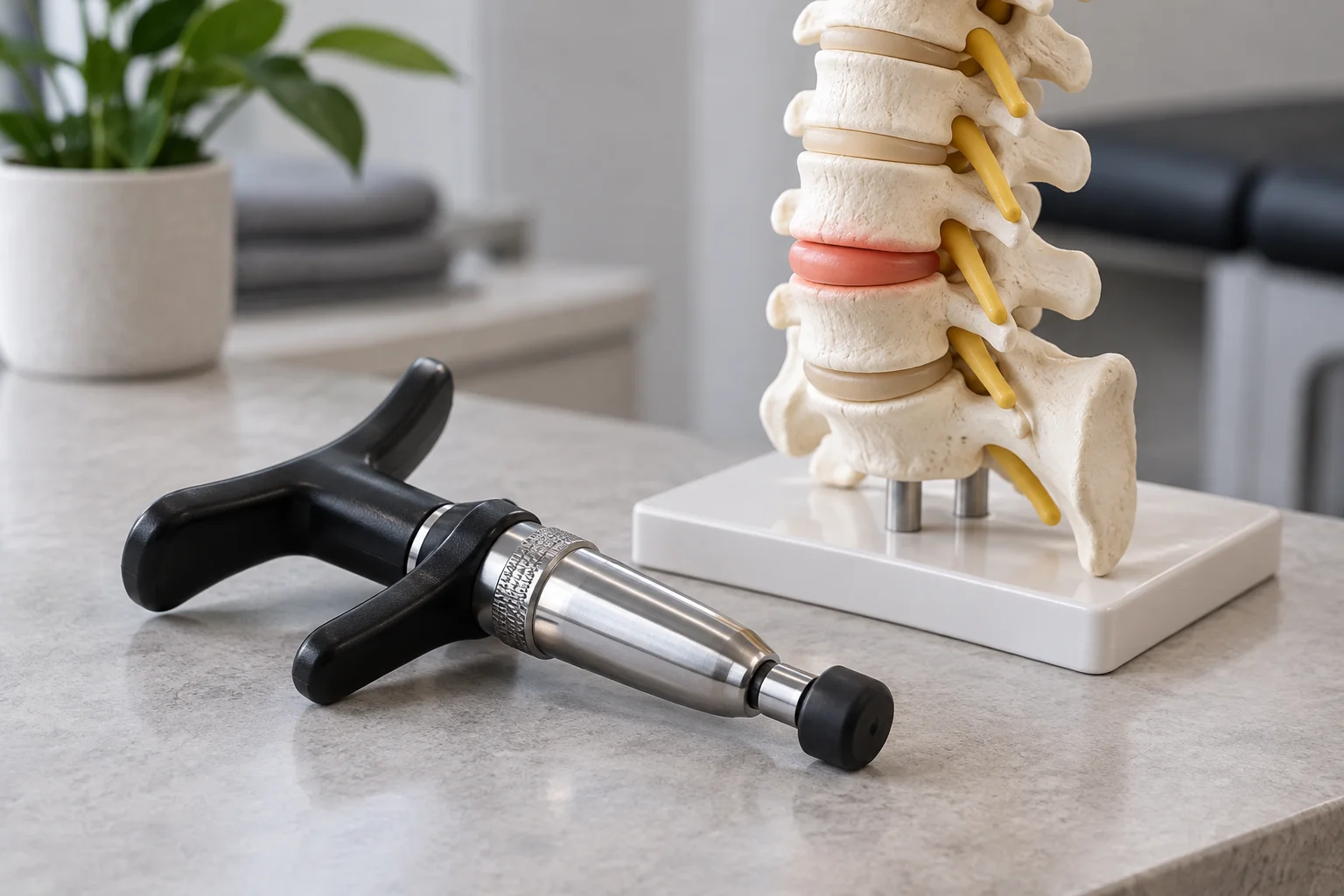
The activator method is a low-force chiropractic technique that uses a handheld, spring-loaded tool called the activator adjusting instrument to deliver a quick, controlled thrust to a specific joint. Instead of the twisting or rotational motion associated with traditional manual manipulation, the instrument produces a fast, gentle impulse that the body has less time to resist or guard against.
This makes it a popular option within chiropractic care for patients who want spinal manipulation without the twisting motion or audible pop often linked to hands-on adjustments. Chiropractors trained in this technique use the activator adjusting instrument to target the spine, extremities, and soft tissue with consistent, measurable force, and because the device controls the exact amount of pressure applied, this chiropractic technique offers a level of precision that can be harder to replicate by hand alone.
How Does the Activator Method Compare to Manual (Hands-On) Chiropractic Adjustments?
Manual adjustments rely on a chiropractor's hands to apply direct pressure and a swift, controlled twist that moves a joint back into alignment, often producing the popping sound created by gas release inside the joint capsule. The activator method skips that manual manipulation step entirely, replacing hand pressure with the mechanical, low-force impulse of the adjusting instrument.
Both approaches are used to treat common complaints like back pain and neck pain, and both aim to restore normal joint motion and reduce nerve irritation. The real difference lies in delivery: traditional manual adjustments use broader leverage across a joint or region, while the activator method isolates a single vertebra or joint with a narrower, more targeted force. Understanding activator vs manual adjustments really comes down to how much force your body can comfortably accept, and patients who feel tense or guarded during a manual adjustment often find the lighter touch easier for their body to accept without resistance.
Is the Activator Method as Effective as Manual Adjustments?
Clinical experience and professional chiropractic organizations, including the American Chiropractic Association, recognize the activator method as a legitimate technique alongside traditional manual adjustments. Neither approach is universally superior for every patient or every joint. Effectiveness typically depends on the condition being treated, the patient's comfort level, and how their body responds to force.
For general spinal manipulation and joint mobility, both techniques can produce comparable outcomes over a course of chiropractic care. Where they tend to diverge is in patient experience and specific use cases: the activator method's gentler force often makes it a preferred chiropractic technique for people who need spinal work done but cannot tolerate more forceful manual manipulation. A chiropractor can help you weigh which option is likely to work better for your specific goals during an in-person evaluation, since no single answer applies to every spine.
Who Is the Activator Method Best Suited For?
The activator method tends to suit patients who want a precise, low-force alternative to traditional manual adjustments. This includes people with osteoporosis, arthritis, or general joint sensitivity, along with anyone who feels anxious about the twisting motion involved in a manual adjustment.
Patients dealing with tension headaches and migraines often respond well to the instrument's targeted impulses along the upper cervical spine, since the lighter force reduces the muscle guarding that can follow a manual neck adjustment. People managing sciatica and nerve pain radiating down the leg may also prefer the activator method's ability to isolate a single segment without the broader joint movement a manual adjustment can produce near an already-inflamed disc.
Active patients recovering from a sports injury may benefit from either technique, but many chiropractors use the activator method on more acute, guarded areas and reserve manual adjustments for joints that need a larger range of motion restored.
Is the Activator Method Safe for Seniors, Kids, or Chiropractic Beginners?
The activator method's low-force, gentle approach is one reason many chiropractors consider it appropriate for seniors with reduced bone density, children with developing spines, and first-time patients who are unsure what to expect from chiropractic care. Because the instrument delivers a controlled, consistent force rather than a manual twist, there is less joint torque involved in each adjustment.
That said, safety always depends on an individual evaluation. A chiropractor will assess age, bone health, and any existing conditions before recommending activator adjustments over manual manipulation, or a combination of both, as part of a personalized treatment plan.
What Does an Activator Method Adjustment Feel Like?
Most patients describe the activator adjusting instrument as a quick tap or light thump rather than a deep push or twist. The device is placed directly against the skin over the targeted joint, and each impulse lasts a fraction of a second. There is typically no popping sound, since the technique does not move the joint through the same range of motion as a manual adjustment.
Because the force is so brief and localized, many patients find this chiropractic technique more comfortable during the visit itself, though some notice mild soreness afterward as the joint and surrounding muscles adjust, similar to what can follow any form of spinal manipulation.
How Do You Choose Between Activator and Manual Adjustments in Scottsdale?
The right choice usually comes down to your comfort level, the condition being treated, and how your body has responded to chiropractic care in the past. If you have a sensitive joint, feel anxious about manual manipulation, or are recovering from a recent injury, the activator method may be the more comfortable starting point. If you need a larger adjustment to a stiff or restricted joint, traditional manual adjustments might restore motion more directly.
Because every spine responds differently, the most reliable way to decide is an evaluation with our Scottsdale chiropractic team, who can assess your spine and recommend an approach, instrument-assisted or manual, based on your comfort and your goals. Schedule Appointment to have your spine assessed and leave with a technique recommendation built around your body, not a one-size-fits-all plan.
Frequently Asked Questions
Does the activator method hurt?
Most patients do not find the activator method painful. The adjusting instrument delivers a quick, low-force impulse rather than a twisting motion, so there is little to no discomfort during the adjustment itself. Some patients notice mild soreness in the hours afterward, similar to the feeling that can follow light exercise, but this usually resolves within a day or two.
How much does an activator method adjustment cost in Scottsdale?
Cost varies based on your specific evaluation, insurance coverage, and whether your visit includes additional chiropractic care such as massage therapy or structural rehabilitation. Because pricing depends on your individual treatment plan, the most accurate number comes from a consultation where our team can review your coverage and goals directly, rather than quoting a flat rate that may not reflect your situation.
Can I switch between activator and manual adjustments at the same chiropractor?
Yes, in many cases. Chiropractic offices that offer both instrument-assisted and manual techniques, ours included, can often switch between the activator method and manual adjustments from session to session based on how your body responds. If a manual adjustment feels too intense on a given day, your chiropractor can adjust the approach at your next visit.
How many activator method sessions do I need to see results?
The number of sessions varies by condition, how long you have had symptoms, and your body's response to care. Some patients notice relief after a few visits, while long-standing issues like chronic back pain or neck pain may require a longer course of chiropractic care. Your chiropractor will typically reassess progress every few visits and adjust the frequency of activator method sessions from there.
Is the activator method covered by insurance?
Coverage depends on your specific insurance plan and how your provider classifies chiropractic care. Many plans that cover chiropractic services also cover instrument-assisted techniques like the activator method as a recognized adjustment approach, but limits, copays, and required documentation vary widely. Verifying your benefits before your visit is the most reliable way to know what your plan actually covers.
Find Your Right Fit at Aligned Integrated Health
Whether your spine responds better to a lower-force, instrument-assisted technique or to traditional manual adjustments, our Scottsdale team will build a plan around what actually works for your body. Contact Us to schedule an evaluation and find out which chiropractic technique fits your goals.